
Understanding Blast Freezer: The Key to Quality Food Preservation
A blast freezer is a high-performance freezing system designed to rapidly reduce product temperature using powerful airflow and ultra-low temperatures. If you’re asking what is a blast freezer, the answer lies in speed and quality preservation—blast freezing minimizes ice crystal formation, helping food retain its original texture, flavor, and nutritional value after thawing.
1/10/20267 min read
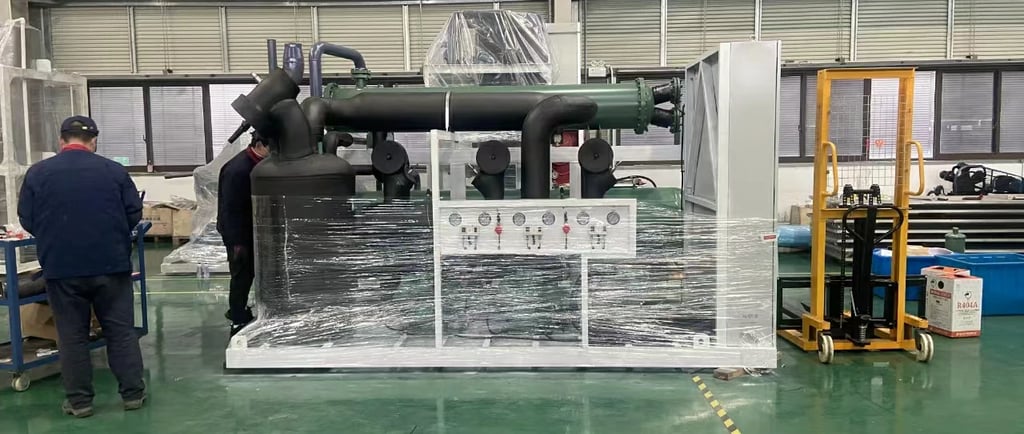
What is a Blast Freezer?
A blast freezer is a specialized freezing system engineered to quickly lower the temperature of food products. This high-performance equipment is essential in the food processing industry, where maintaining the quality and safety of perishable items is crucial. Unlike conventional freezers, which typically operate at a steady, lower temperature, blast freezers are designed to achieve rapid temperature reductions, often bringing products down from room temperature to freezing levels in a matter of minutes.
The primary function of a blast freezer is to freeze food products efficiently without compromising their texture, flavor, and nutritional value. The science behind blast freezing relies on the principle of fast freezing; by exposing food to extremely cold air (often as low as -40°C or -40°F), the formation of ice crystals is significantly minimized. This rapid freezing process helps prevent the formation of large ice crystals that can damage cellular structures within the food, preserving the integrity of the product.
In contrast, conventional freezers generally operate on a slower freezing method, which can lead to undesirable outcomes such as moisture loss and changes in texture. As a result, blast freezers are particularly beneficial for items that are sensitive to freezing processes, such as fruits, vegetables, and various meats. Additionally, they are increasingly being utilized in restaurants, catering businesses, and supermarkets to ensure food items remain fresh for extended periods.
Overall, understanding the advantages of blast freezers is critical for anyone involved in food preservation and storage, as this high-efficiency freezing technology represents a significant advancement over traditional freezing methods.
How Does a Blast Freezer Work?
A blast freezer operates by utilizing powerful refrigeration technology to achieve exceptionally low temperatures rapidly. At its core, the mechanism relies on a combination of high-velocity airflow and evaporative cooling. This allows the blast freezer to cool food products quickly and efficiently, preserving both texture and flavor, which is vital for quality food preservation.
The process begins when the chamber of the blast freezer is activated, creating an environment that circulates freezing air. The fans within the unit generate strong airflow that evenly distributes cold air around the items placed inside. This rapid air circulation minimizes the temperature of the food items, significantly reducing the formation of ice crystals. Smaller ice crystals are essential because they cause less damage to the cellular structure of the food, maintaining quality during storage.
Blast freezers can reach temperatures as low as -40 degrees Fahrenheit (-40 degrees Celsius). To accomplish this, many models use liquid refrigerants that absorb heat from the air inside the unit, further enhancing the cooling process. The combination of low temperatures and quick air circulation results in an efficient drop in temperature, crucial for the blast freezing technique.
Additionally, many modern blast freezers are equipped with temperature control systems that ensure consistent performance. These systems monitor the internal conditions of the freezer continuously, which helps maintain the optimal environment for food products. By utilizing this advanced technology, businesses can improve food safety and extend the shelf life of their products, thereby minimizing waste and maximizing quality.
Benefits of Blast Freezing
Blast freezing, a process that involves rapidly lowering the temperature of food products, offers numerous advantages that significantly enhance food preservation. One of the primary benefits is the improvement in food quality. When food is subjected to blast freezing, the quick temperature drop effectively minimizes the formation of large ice crystals within the cellular structure. This is crucial because large ice crystals can rupture cell walls, leading to a loss of moisture and altering the texture of the food upon thawing. As a result, foods such as fruits, vegetables, and meats maintain their original flavors and textures much better than those that undergo slow freezing.
Moreover, the retention of nutrients is another key benefit of blast freezing. Studies have shown that foods frozen rapidly retain more vitamins and minerals compared to those that are frozen at a slower pace. For instance, vegetables that are blast frozen immediately after harvest preserve their vitamin C content significantly better than those stored at higher temperatures before freezing. This nutritional advantage extends to various food types, ensuring that quality is not compromised during the preservation process.
In addition to preserving taste and nutrition, the blast freezing process is beneficial for food safety, as it can inhibit the growth of harmful microorganisms by quickly bringing the temperature down. For instance, seafood, which is particularly susceptible to deterioration, benefits from blast freezing to maintain its freshness, ensuring that high-quality products reach consumers. Overall, the advantages of blast freezing encompass enhanced food quality, minimized ice crystal formation, and increased nutritional retention, making it a vital methodology in food preservation.
Applications of Blast Freezers
Blast freezers are becoming increasingly essential in various commercial and industrial sectors, providing a method of rapid food preservation that enhances quality and safety. In the food processing industry, blast freezers play a critical role in maintaining the integrity of products. By rapidly lowering temperatures, they effectively minimize the formation of ice crystals, preserving texture, flavor, and nutritional value. This is particularly significant for perishable goods such as seafood, meats, and vegetables, which require swift freezing to avoid spoilage and extend shelf life.
Restaurants, particularly those that engage in bulk food preparation, also benefit from blast freezers. The ability to quickly freeze large quantities of food allows establishments to prepare menu items in advance without compromising quality. For instance, restaurants can pre-cook and freeze sauces, stocks, or even pre-portioned meals, streamlining their workflow and ensuring that high-quality dishes are readily available for service during peak times. Additionally, blast freezers offer solutions for food safety by rapidly bringing food to safe storage temperatures, thus reducing the risk of bacterial growth.
Retail businesses, including grocery stores and specialty food shops, leverage blast freezers to enhance their offerings. These units enable retailers to store seasonal or specialty items at optimal temperatures, keeping them fresh for consumer purchase. Furthermore, blast freezing is advantageous when introducing new products or promotions, as it allows retailers to manage inventory effectively while maintaining the quality of delicate items like pastries or frozen desserts. This adaptability makes blast freezers a vital asset in both the supply chain and final consumer experience.
In various sectors, the implementation of blast freezers not only improves operational efficiency but also elevates product quality, thereby directly impacting customer satisfaction and business performance.
Designing and Implementing a Blast Freezer Room
Designing a blast freezer room is a critical step in achieving optimal food preservation, as it directly impacts the efficiency and effectiveness of freeze processing. When embarking on this project, several key considerations must be taken into account to ensure the facility meets operational needs and standards.
First and foremost, determining the capacity of the blast freezer is essential. This involves calculating the volume of product that will need to be frozen, as well as understanding peak production periods. Overestimating capacity can lead to increased operational costs, whereas underestimating may result in inadequate freezing capabilities. It is advisable to consult with stakeholders to gather accurate forecasts regarding product volume and demand, allowing for a properly sized blast freezer room.
The layout of the blast freezer facility also warrants careful consideration. An efficient layout not only allows for optimal flow of goods but also minimizes handling times. Ideally, the layout should facilitate a streamlined process from receiving products to storage after freezing. Additionally, spatial organization should reflect the needs of operational staff, ensuring ease of access to equipment and safety measures are implemented.
Temperature distribution plays a crucial role in the design of a blast freezer room. The room should maintain uniform low temperatures to prevent partial freezing, which can affect food quality. Strategically placing blast chillers and analyzing airflow patterns can help attain even temperature distribution. It is pertinent to implement monitoring systems to ensure consistency over time.
Lastly, customization of the blast freezer room should be guided by specific operational needs, such as type of food products and production schedules. For instance, certain foods may require distinct freezing parameters. Therefore, involving food technologists and engineers during the design process can yield a tailored solution that promotes both food safety and quality. Through thoughtful consideration of these factors, a well-designed blast freezer room can significantly enhance food preservation capabilities.
Maintenance and Efficiency Tips for Blast Freezers
Ensuring that blast freezers operate at peak performance requires regular maintenance and a focus on energy efficiency. These actions not only extend the lifespan of the equipment but also maintain optimal food preservation quality. One of the primary maintenance tips is to regularly check and clean the condenser coils. Dust and debris accumulation can significantly hinder efficiency, causing the compressor to work harder and consume more energy. Cleaning these coils at least every six months is advisable to ensure optimal airflow.
Another important aspect of maintaining blast freezers is monitoring the temperature settings. It is critical to ensure that the settings align with the manufacturer’s recommendations. An incorrectly set temperature can lead to inefficient freezing cycles, thereby impacting food quality. Monitoring temperatures with precise thermometers can help identify deviations and prompt corrections before they lead to equipment malfunction.
Routine inspection of door seals is also essential. Damaged or dirty seals can allow warm air to enter the unit, compromising food quality and increasing energy consumption. Replacing worn seals promptly can help maintain the efficiency of the blast freezer.
Energy efficiency is further enhanced through proper loading techniques. Avoid overloading the freezer as this can hinder air circulation. Space items appropriately to enable sufficient airflow around all products. Additionally, consider utilizing energy-efficient models and practices, such as integrating programmable timers that can optimize usage during off-peak hours.
Lastly, familiarize yourself with common troubleshooting techniques. Recognizing signs of malfunction, such as unusual noises or fluctuating temperatures, can facilitate timely interventions. Consulting the user manual for specific troubleshooting steps can also be beneficial. By implementing these maintenance tips and efficiency strategies, users can maximize the performance and longevity of their blast freezers, ensuring consistent food quality preservation.
Future Trends in Freezing Technology
As we look towards the future of freezing technology, several trends are emerging that promise to revolutionize the way blast freezers are designed and utilized. One significant advancement is the evolution of blast freezer design. Manufacturers are increasingly focusing on creating more energy-efficient models that not only freeze food products rapidly but also minimize energy consumption. This is essential in an era where energy costs are rising and environmental sustainability is paramount. Enhanced insulation materials and advanced refrigeration systems are being integrated to achieve these goals.
Another notable trend is the integration of smart technology into blast freezers. The advent of the Internet of Things (IoT) is enabling manufacturers to develop smart blast freezers equipped with sensors and monitoring systems. These features allow for real-time data analysis concerning temperature, humidity, and storage conditions. Consequently, users can receive alerts regarding deviations from optimal conditions, ensuring that food quality is preserved effectively. Moreover, predictive maintenance powered by AI is becoming more prevalent, resulting in reduced downtime and improved operational efficiency.
Sustainability considerations are also at the forefront of future freezing technology developments. The food industry is facing increasing pressure to reduce its carbon footprint, and the freezing sector is no exception. Companies are exploring the use of natural refrigerants and energy recovery systems that recycle waste heat generated during freezing processes. By adopting these green technologies, businesses can contribute to an overall reduction in environmental impacts while maintaining the quality of their products.
In conclusion, the future of freezing technology, particularly in blast freezers, appears promising. With advancements in design, integration of smart technologies, and a focus on sustainability, the industry is poised to meet evolving consumer expectations and regulatory demands while promoting food quality and safety.
HENGLIANG COOLING
We design, manufacture, and deliver integrated refrigeration solutions, including cold rooms, ripening room systems, and industrial chillers for global commercial and industrial applications.
SERVICES
Request a Customized Solution
© 2002-2026. All rights reserved.
Address
Xiamen, Fujian, China
Contacts
+86 18350573206
alan@xhllq.com