
Used Cold Room: A Practical Guide to Buying a Second Hand Cold Room
Used cold room solutions explained, including second hand cold room selection, risks, refurbishment options, and key checks before buying for sale use.
COLD ROOMS
1/12/20262 min read
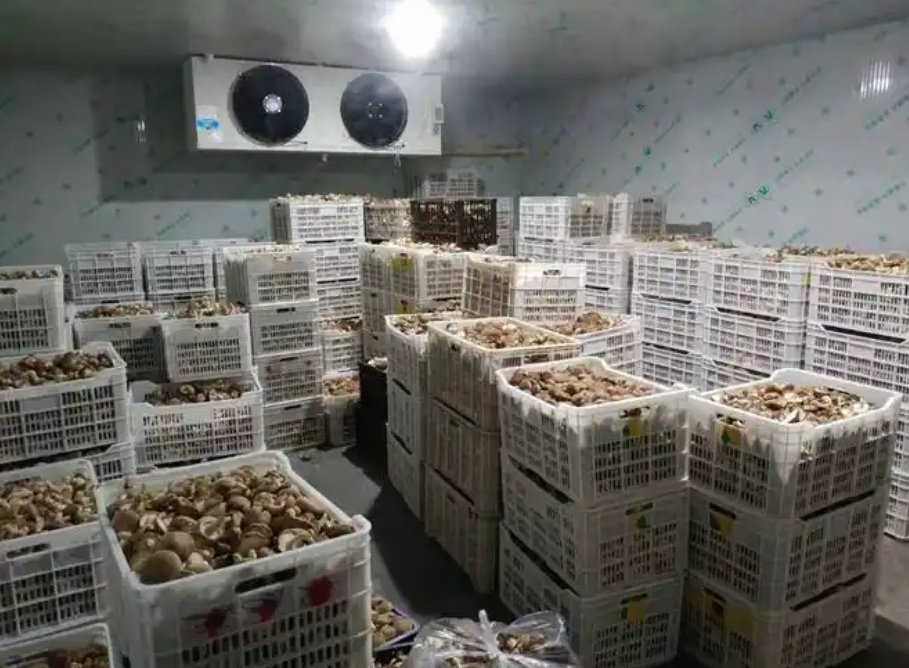
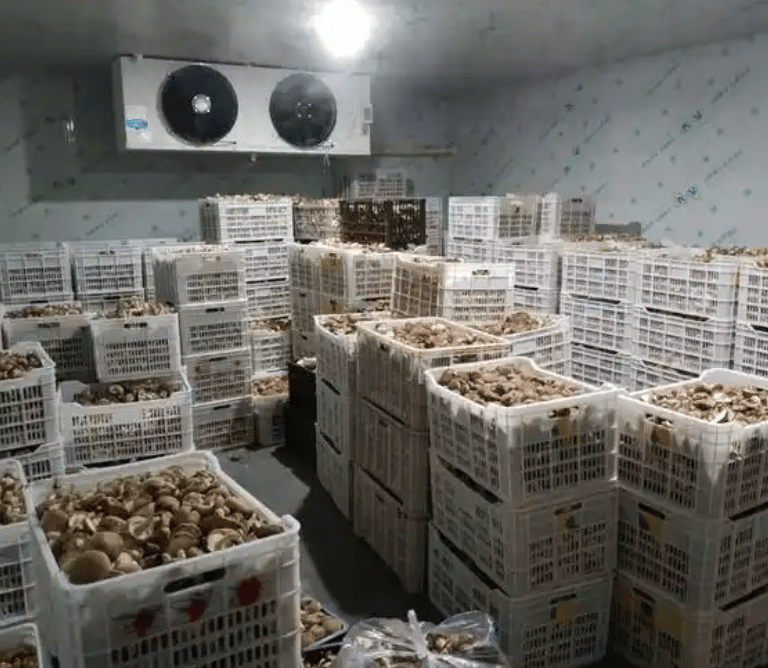
1. What Is a Used Cold Room?
A used cold room refers to a previously installed cold storage system that has been dismantled, refurbished, or resold for reuse. In B2B markets, used cold rooms are commonly considered for projects with limited budgets, short-term use, or temporary capacity expansion.
A second hand cold room may include reused insulation panels, refrigeration units, or complete modular systems, depending on its original application and condition.
2. How a Second Hand Cold Room Works
From an operational perspective, a used cold room follows the same refrigeration principles as a new system. However, system performance largely depends on component condition and reinstallation quality.
Working process:
Refrigeration unit removes heat from storage space
Insulated panels reduce thermal exchange
Air circulation ensures temperature uniformity
Control systems maintain target temperature
In used cold rooms, seal integrity, insulation aging, and compressor efficiency are critical performance factors.
3. Core Features and Limitations of Used Cold Rooms
3.1 Cost Advantage
Lower upfront investment
Suitable for temporary or non-critical storage
3.2 Variable Condition
Panel insulation performance may degrade
Refrigeration units may have reduced lifespan
3.3 Limited Customization
Fixed panel sizes and layouts
Difficult to optimize airflow or capacity precisely
For many buyers, these trade-offs must be carefully evaluated against operational risks.
4. Typical Configuration of a Used Cold Room
A standard used cold room for sale may include:
Reused PU insulated panels (often 75–100 mm)
Second hand condensing unit
Evaporator with prior operating hours
Basic temperature controller
Reinstalled cold room door
In some projects, hengliangcooling supports clients by inspecting reusable components and combining them with new refrigeration equipment to improve reliability.
5. Key Technical Parameters to Check Before Purchase
These checks are essential before committing to any second hand cold room investment.
6. Application Scenarios for Used Cold Rooms
6.1 Temporary Storage Projects
Seasonal agricultural storage
Short-term rental facilities
6.2 Backup Cold Storage
Emergency capacity
Maintenance downtime coverage
6.3 Budget-Sensitive Operations
Small distributors
Trial-phase food processing projects
A used cold room for sale can be practical when operational continuity is not mission-critical.
7. Used Cold Room vs New Cold Room
Comparison logic:
Used cold room
Lower initial cost
Higher operational risk
Limited service life
New cold room
Higher efficiency
Full customization
Longer lifespan and warranty
For long-term, high-throughput operations, new systems typically provide better total cost of ownership.
8.Managing Risks with Professional Evaluation
The main challenge of used cold rooms lies in hidden defects and uncertain performance. Without proper assessment, buyers may face higher long-term energy and maintenance costs.
With experience in cold room refurbishment and system integration, hengliangcooling assists clients in evaluating second hand cold room feasibility, upgrading critical components, and ensuring safe commissioning.
9. Hengliang Cooling
If you are considering a used cold room or second hand cold room for sale, it is strongly recommended to conduct a technical evaluation before purchase.
You may contact hengliangcooling to discuss:
Used cold room condition assessment
Refurbishment vs replacement feasibility
Cost-effective cold storage solutions tailored to your project
HENGLIANG COOLING
We design, manufacture, and deliver integrated refrigeration solutions, including cold rooms, ripening room systems, and industrial chillers for global commercial and industrial applications.
SERVICES
Request a Customized Solution
© 2002-2026. All rights reserved.
Address
Xiamen, Fujian, China
Contacts
+86 18350573206
alan@xhllq.com