
Seafood Cold Room Solutions: Design & System Guide
Professional guide to seafood cold room solutions, covering cold room design, freezer rooms for fish, system configurations, temperatures, and B2B applications.
1/12/20263 min read
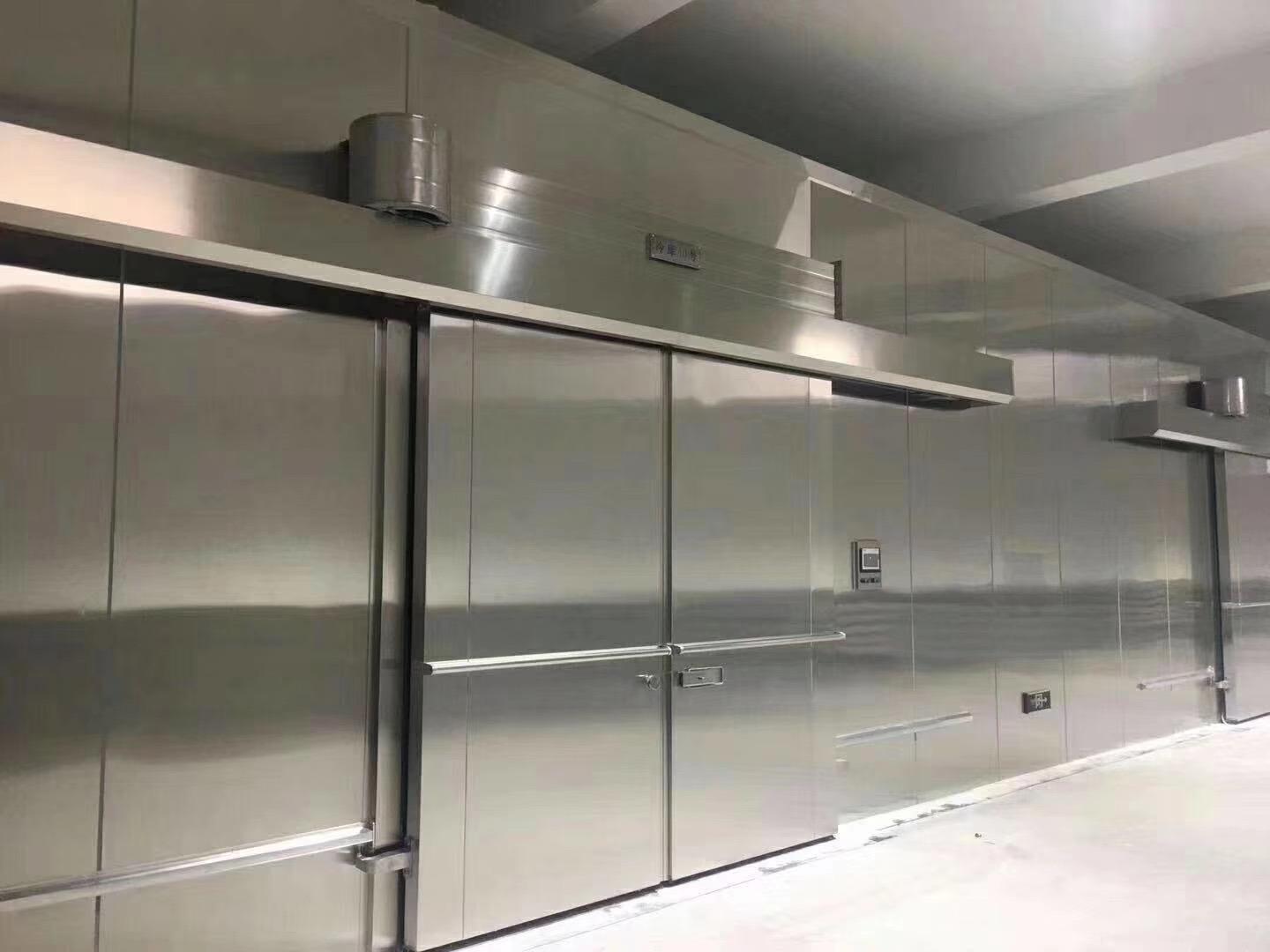
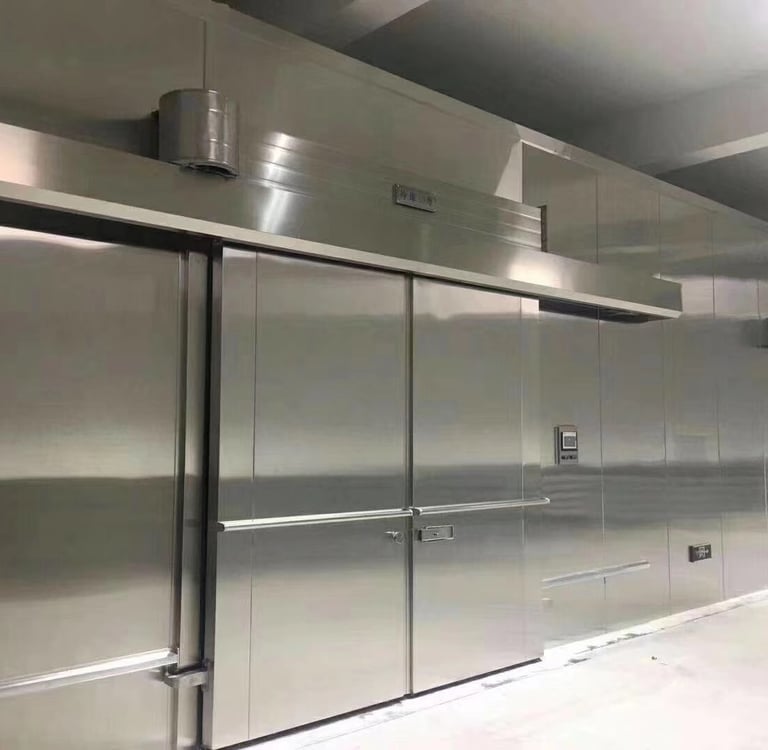
Introduction: Why Seafood Requires Specialized Cold Storage
Seafood is one of the most temperature-sensitive food categories. From freshly harvested fish to processed shellfish, even short exposure to improper temperatures can result in rapid bacterial growth, texture degradation, and moisture loss.
A well-designed seafood cold room or freezer room for fish is not simply about cooling—it is about precise thermal control, airflow management, hygiene design, and system reliability throughout storage, processing, and distribution.
This industry guide explains how modern seafood cold storage solutions are engineered, configured, and applied in B2B environments such as seafood processing plants, cold chain logistics hubs, wholesale markets, and export facilities.
How Seafood Cold Storage Systems Work
Refrigeration Principle Explained
A seafood cold storage system operates by continuously extracting heat from the insulated room using a closed refrigeration cycle:
Compressor raises refrigerant pressure and temperature
Condenser releases heat to ambient air or water
Expansion device reduces pressure and temperature
Evaporator absorbs heat inside the cold room
For seafood applications, this cycle must maintain tight temperature tolerances and uniform air distribution to prevent partial freezing or surface dehydration.Cold Room vs Freezer Room for Fish: Functional Differences
Seafood Cold Room (Chilled Storage)
Typical temperature: 0°C to +4°C
Purpose: short-term storage of fresh fish and seafood
Focus: freshness retention, humidity control, hygiene
Freezer Room for Fish (Frozen Storage)
Typical temperature: –18°C to –25°C
Purpose: long-term storage and export
Focus: rapid pull-down, stable low temperatures, energy efficiency
In many facilities, both zones are integrated into a single seafood cold storage solution with shared refrigeration infrastructure.Typical Temperature & Humidity Requirements
Recommended storage ranges
Fresh whole fish: 0°C to +2°C, RH 85–95%
Fillets & processed seafood: –1°C to +1°C
Frozen fish storage: –18°C or below
Long-term export storage: –25°C
Maintaining humidity is critical to prevent dehydration and weight loss, especially in chilled seafood cold rooms.
Core Features of Professional Seafood Cold Rooms
1. Insulation System
High-density PU or PIR panels
Thickness: 100–150 mm (chilled), 150–200 mm (freezer)
Food-grade internal surfaces for hygiene compliance
2. Refrigeration Units
Air-cooled or water-cooled condensing units
Scroll or semi-hermetic compressors
Optimized evaporators for high humidity environments
3. Airflow & Defrost Design
Low-velocity airflow to protect seafood texture
Electric or hot-gas defrost options
Anti-corrosion coatings for marine environments
4. Control & Monitoring
Digital temperature controllers
Alarm systems for temperature deviation
Optional remote monitoring for cold chain compliance
As a professional cold room solution provider, hengliangcooling integrates these elements into system-level designs rather than standalone equipment, ensuring stable operation across varying load conditions.
Typical Configuration of a Seafood Cold Storage Solution
A standard B2B seafood cold storage system may include:
Modular cold room structure
Separate chilled and frozen zones
Centralized or split refrigeration units
Stainless steel accessories (racks, doors, drains)
HACCP-oriented layout design
System sizing is based on daily throughput, product type, packaging method, and door-opening frequency, rather than room volume alone.
Key Technical Parameters to Consider
Main Application Scenarios
Seafood Processing Plants
Raw material chilling
Pre-freezing before processing
Finished product storage
Cold Chain Logistics & Distribution
Temporary storage before transport
Export consolidation warehouses
Wholesale Markets & Ports
High-turnover chilled seafood cold rooms
Multi-tenant storage zones
Aquaculture & Fisheries
On-site cold storage near harvesting points
hengliangcooling has experience delivering customized seafood cold storage solutions across these scenarios, adapting system layouts to local regulations, ambient conditions, and operational workflows.
FAQ: Seafood Cold Storage Solutions
What is the ideal temperature for a seafood cold room?
Fresh seafood is typically stored between 0°C and +2°C, while frozen fish requires –18°C or lower for long-term storage.
How is humidity controlled in seafood cold rooms?
Humidity is managed through evaporator selection, airflow design, and defrost strategy to minimize dehydration.
Can chilled and frozen seafood be stored in one system?
Yes. Many projects use multi-temperature cold storage solutions with separate zones and shared refrigeration infrastructure.
How long can fish be stored in a freezer room?
At –18°C, frozen fish can typically be stored for 6–12 months, depending on species and packaging.
If you are planning or upgrading a seafood cold room or freezer room for fish, working with an experienced system integrator is critical to long-term performance and product quality.
hengliangcooling provides professional seafood cold storage solutions, offering customized design, refrigeration system integration, and full project execution support.
Contact the hengliangcooling technical team to discuss your application requirements and receive a tailored cold storage proposal and quotation.
HENGLIANG COOLING
We design, manufacture, and deliver integrated refrigeration solutions, including cold rooms, ripening room systems, and industrial chillers for global commercial and industrial applications.
SERVICES
Request a Customized Solution
© 2002-2026. All rights reserved.
Address
Xiamen, Fujian, China
Contacts
+86 18350573206
alan@xhllq.com