
Mobile Cool Room: A Practical Guide to Portable Cold Storage for Events
Mobile cool room systems designed as a portable cold room for events, catering, and temporary storage. Learn working principles, configurations, and selection tips.
COLD ROOMS
7/10/20252 min read
1. What Is a Mobile Cool Room?
A mobile cool room is a self-contained, transportable cold storage solution designed for temporary or flexible use scenarios. Unlike fixed cold rooms, it can be rapidly deployed at different locations, making it ideal for events, exhibitions, outdoor catering, and emergency cold storage needs.
In commercial practice, a portable cold room typically integrates insulation, refrigeration, and mobility features (such as containerized or skid-mounted structures) into a single modular unit.
2. How a Portable Cold Room Works
The operating principle of a mobile cool room is consistent with standard cold storage systems, but optimized for mobility and quick installation.
Working process:
Pre-installed refrigeration unit removes internal heat
High-performance insulated panels minimize thermal exchange
Forced-air evaporators ensure uniform temperature distribution
Digital controllers stabilize temperature despite frequent door openings
For mobile cool room for events, systems are often designed to handle short-term peak loads rather than continuous long-term storage.
3. Core Features of Mobile Cool Rooms
3.1 Mobility & Rapid Deployment
Containerized or modular skid-based structure
Forklift or crane handling support
Minimal on-site installation work
3.2 Flexible Temperature Range
Chiller mode: 0°C to +5°C
Freezer mode: -18°C
Multi-temperature customization available
3.3 Independent Power Options
Grid power (220V / 380V)
Generator-compatible design for outdoor events
3.4 Structural Durability
Reinforced panels and frames
Weather-resistant exterior finishes
Manufacturers such as hengliangcooling typically adapt structural strength and refrigeration sizing according to transport frequency and ambient conditions.
4. Typical System Configuration
A standard portable cold room system includes:
Insulated modular panels (75–120 mm)
Integrated or split refrigeration unit
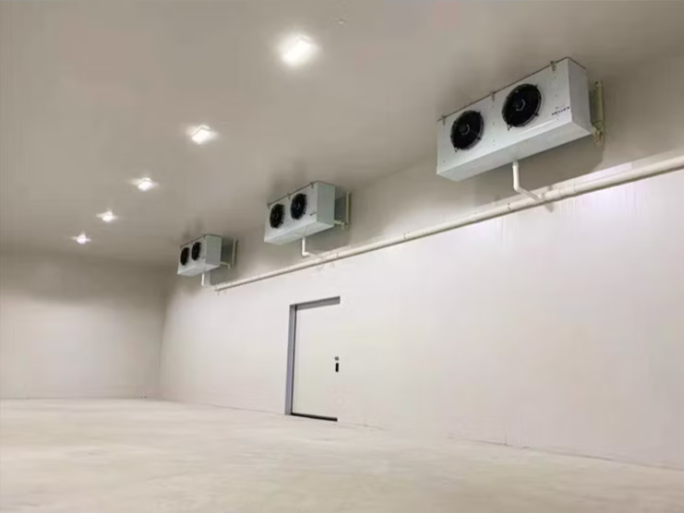
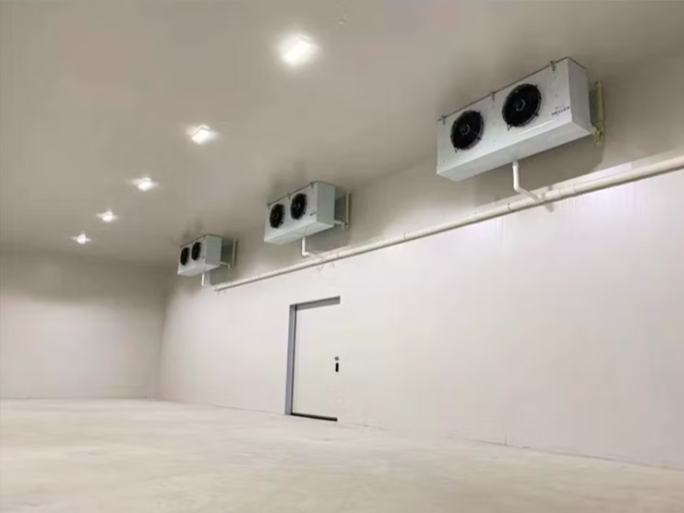
Ceiling-mounted evaporator with protective housing
Digital temperature controller
Heavy-duty insulated door with safety release
Optional container frame or trailer base
For event-based projects, hengliangcooling often prioritizes plug-and-play system integration to minimize setup time on site.
5. Key Technical Parameters (Selection Reference)
Correct parameter matching is essential to avoid underperformance during high-demand event periods.
6. Application Scenarios
6.1 Events & Exhibitions
Beverage cooling
Temporary food storage
Back-of-house cold buffering
6.2 Catering & Outdoor Dining
Mobile kitchens
Festival food vendors
6.3 Emergency & Temporary Storage
Seasonal overflow storage
Backup cold storage during facility maintenance
A mobile cool room for events offers operational flexibility without long-term infrastructure commitment.
7. Mobile Cool Room vs Fixed Cold Room (Featured Snippet Friendly)
Comparison logic:
Mobile cool room
High flexibility
Fast deployment
Temporary or seasonal use
Fixed cold room
Higher long-term efficiency
Larger capacity
Permanent installation
The choice depends on project duration, relocation frequency, and capital planning.
8. Importance of Professional System Integration
Despite their temporary nature, mobile cool rooms still require precise refrigeration sizing, airflow design, and insulation selection. Poor design can result in temperature instability and excessive energy consumption.
With experience in custom portable cold room systems, hengliangcooling supports clients through layout planning, system integration, and commissioning, ensuring reliability across different deployment environments.
9. Professional Hengliang Cooling
If you are planning a portable cold room or mobile cool room for events, it is recommended to evaluate storage volume, power availability, and operating duration before finalizing specifications.
You may contact hengliangcooling to discuss:
Mobile cold room configuration options
Event-specific temperature requirements
Customized system design and project feasibility assessment
HENGLIANG COOLING
We design, manufacture, and deliver integrated refrigeration solutions, including cold rooms, ripening room systems, and industrial chillers for global commercial and industrial applications.
SERVICES
Request a Customized Solution
© 2002-2026. All rights reserved.
Address
Xiamen, Fujian, China
Contacts
+86 18350573206
alan@xhllq.com