
Mini Cold Room: A Practical Guide for Small Commercial Kitchens
Mini cold room solutions for restaurant and catering use. Learn how a small cold room works, key features, system configuration, and selection tips from hengliang cooling
COLD ROOMS
12/31/20252 min read
1. What Is a Mini Cold Room?
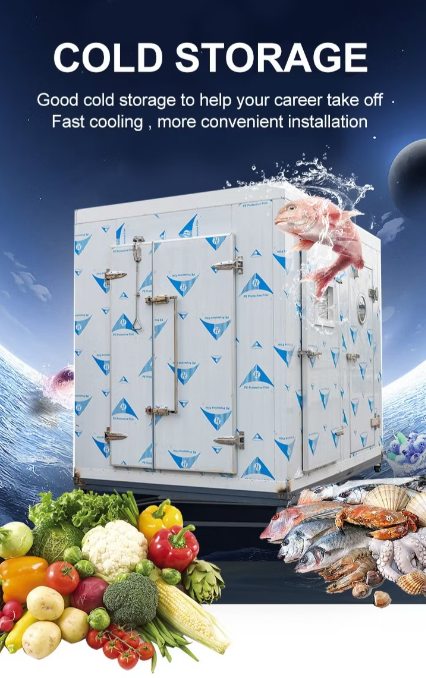
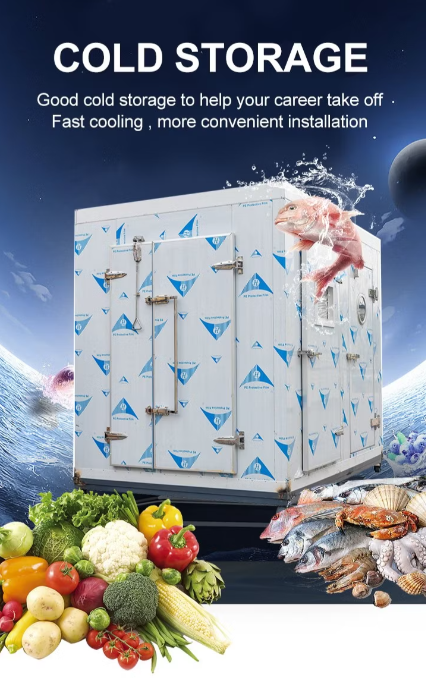
A mini cold room is a compact, walk-in refrigerated storage system designed for limited spaces such as restaurants, cafés, bakeries, and small food processing facilities. Compared with large industrial cold storage, a mini cold room focuses on space efficiency, stable temperature control, and operational simplicity.
For many commercial kitchens, a small cold room provides a clear upgrade over upright refrigerators by offering higher storage density, better temperature uniformity, and easier inventory management.
2. How a Mini Cold Room Works
A mini cold room operates on the same refrigeration principles as large cold storage systems, but with scaled-down capacity and simplified system architecture.
Basic working process:
The refrigeration unit removes heat from inside the cold room
Insulated panels minimize heat transfer from the external environment
The evaporator circulates cold air evenly across stored products
Temperature controllers maintain stable setpoints for food safety
Unlike household refrigerators, a mini cold room for restaurant use is designed for frequent door openings and continuous daily operation.
3. Core Features of a Mini Cold Room
3.1 Compact Modular Design
Panel-based structure allows installation in tight back-of-house areas
Modular sizing supports future expansion
3.2 Stable Temperature Control
Typical range: 0°C to +5°C for fresh food
Optional freezer configuration: -18°C for frozen ingredients
3.3 Energy-Efficient Operation
High-density PU insulation panels
Matched refrigeration capacity to reduce energy waste
3.4 Hygiene & Food Safety
Smooth interior surfaces for easy cleaning
Compliance with commercial food storage standards
Companies like hengliangcooling typically customize panel thickness, airflow design, and control logic to match the operational rhythm of restaurant kitchens.
4. Typical Configuration of a Small Cold Room
A standard mini cold room system usually includes:
Insulated cold room panels (75–100 mm)
Compact refrigeration unit (integrated or split type)
Ceiling- or wall-mounted evaporator
Digital temperature controller
Cold room door with safety release
For restaurants with mixed storage needs, hengliangcooling often designs dual-temperature layouts, separating fresh and chilled zones within limited footprints.
5. Key Technical Parameters (Selection Reference)
(These parameters should always be matched to daily turnover volume, not just maximum storage capacity.)
6. Application Scenarios
6.1 Restaurants & Cafés
Fresh vegetables, meat, dairy
High-frequency access environment
6.2 Catering & Central Kitchens
Batch preparation storage
Short-term ingredient buffering
6.3 Bakeries & Dessert Shops
Cream, chocolate, semi-finished products
A properly designed mini cold room for restaurant operations reduces food waste and improves workflow efficiency, especially during peak service hours.
7. Mini Cold Room vs Upright Commercial Refrigerator
Comparison logic (Featured Snippet friendly):
Mini cold room: better temperature stability, higher storage density, scalable
Commercial refrigerator: lower upfront cost, limited capacity, uneven airflow
For kitchens with daily bulk ingredient intake, a small cold room offers superior long-term value.
8. Why Professional System Design Matters
Although mini cold rooms are compact, incorrect sizing or airflow design can lead to:
Temperature fluctuations
Frost buildup
Excessive energy consumption
With experience in custom cold room design and system integration, hengliangcooling supports restaurant clients from layout planning to commissioning, ensuring long-term operational stability rather than short-term cost savings.
9. Professional Consultation CTA
If you are planning a mini cold room or small cold room for restaurant use, it is recommended to evaluate space conditions, product types, and daily throughput before finalizing specifications.
You may contact hengliangcooling to discuss:
Customized cold room sizing
Refrigeration system selection
Project feasibility and technical configuration
based on your specific kitchen or catering operation.
HENGLIANG COOLING
We design, manufacture, and deliver integrated refrigeration solutions, including cold rooms, ripening room systems, and industrial chillers for global commercial and industrial applications.
SERVICES
Request a Customized Solution
© 2002-2026. All rights reserved.
Address
Xiamen, Fujian, China
Contacts
+86 18350573206
alan@xhllq.com