
Mango Ripening Room Guide | Pressure Differential Ripening Technology
Learn how pressure differential mango ripening room improve color, flavor, and shelf life compared to high-temperature ripening. Professional solutions by Hengliang Cooling.
1/22/20263 min read
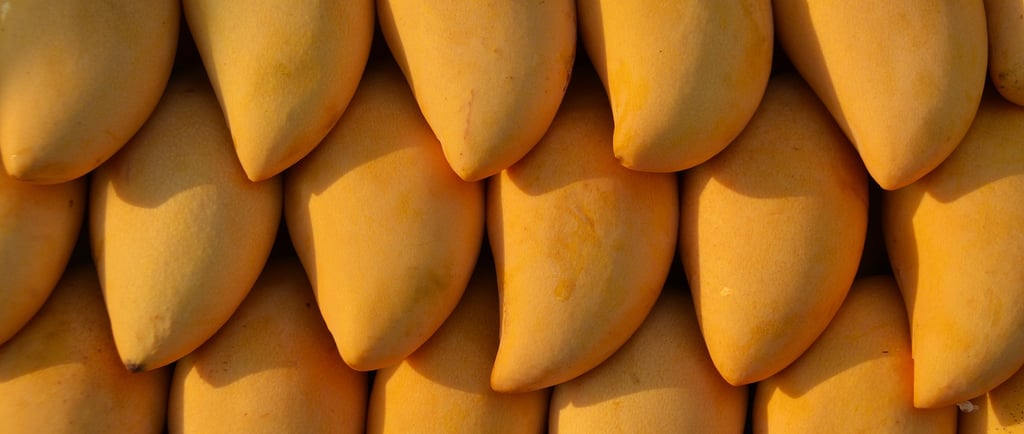
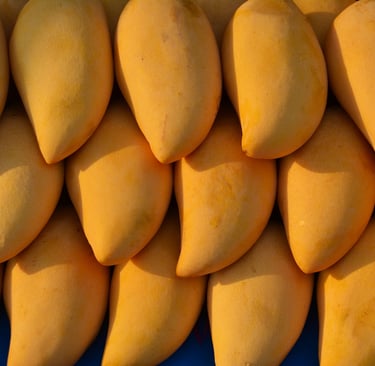
Why High-Temperature Mango Ripening Is Not the Best Choice
In today’s market, mango ripening is commonly carried out using either cold rooms or simple enclosed spaces covered with blankets, relying on high temperatures to accelerate ripening. While this method delivers fast results, it also introduces serious quality issues.
High-temperature ripening often leads to:
Poor and uneven color development
Weak aroma and flavor formation
Shortened shelf life after ripening
From a postharvest physiology perspective, mango ripening follows a process very similar to banana ripening, where controlled temperature, oxygen exchange, carbon dioxide management, and ethylene application are far more important than heat alone.
This article explains how Pressure Differential Mango Ripening Rooms, designed and supplied by Hengliang Cooling, provide a safer, more consistent, and higher-quality ripening solution for commercial mango operations.
Key Factors Affecting Mango Ripening
1. Fruit Maturity Level
Mangoes must reach a minimum physiological maturity before ripening treatment can be effective.
Total Soluble Solids (TSS) ≥ 14%
Higher maturity results in faster and more uniform ripening
Maturity should be evaluated by:
External skin color
Fruit firmness
Flesh color on cross-section
Immature green mangoes will ripen very slowly even after ethylene treatment, resulting in poor color and flavor.
2. Variety Differences
Different mango varieties exhibit different ripening characteristics, including:
Firmness loss rate
Sugar accumulation speed
Flesh color transformation
Therefore, commercial mango ripening rooms should not apply identical parameters to all varieties without adjustment.
3. Harvest Timing and Storage Conditions
Early-season mangoes generally ripen more easily
Longer storage duration and higher storage temperatures accelerate ripening tendency
Stored mangoes must be inspected daily
Fruits showing early softening or color change should be processed immediately
Recommended Mango Storage Conditions:
Storage room temperature: 10–12°C
Pulp temperature: 10–14°C
If the variety’s cold tolerance is unknown, storage temperature should not be lower than 12°C to avoid chilling injury.
Mango Ripening Control Parameters in Pressure Differential Ripening Rooms
1. Temperature Control
Room temperature: 20–22°C
Pulp temperature: 18–22°C
Maximum room temperature: 25°C
Excessive temperature causes:
Uneven skin color
Suppressed flavor compound formation
Skin dehydration and wrinkling
Reduced shelf life
Optimal mango color development occurs at 20–22°C, not at high temperatures.
2. Ethylene Control
Ethylene accelerates respiration and initiates ripening but must be applied correctly.
Treatment duration: 24–72 hours, depending on maturity
Ethylene concentration (cylinder injection): 10–20 ppm
Ethylene generator operation:
Activate every 6–8 hours
Concentration setting: ≥100 ppm
Ethylene should only be introduced once pulp temperature reaches 20°C
Ethylene is completely safe. It has been used globally in fruit ripening for decades. Mangoes naturally produce ethylene during ripening; applied ethylene simply accelerates this natural process.
3. Carbon Dioxide (CO₂) Control
CO₂ concentration should remain below 10,000 ppm (1%)
Excess CO₂ suppresses respiration and delays ripening
Controlled through:
Automatic exhaust systems
Time-interval ventilation
4. Humidity Control
Recommended relative humidity: 85%
Prevents excessive moisture loss and skin shriveling
5. Ripening Time
Under proper control conditions:
Ripening duration: 2–3 days
Skin yellowing rate: 50–70%
Flesh softness and sweetness reach market-ready levels
Common Problems During Mango Ripening and Solutions
1. Slow Ripening
Causes:
Fruit maturity too low
Low pulp temperature
CO₂ concentration above 10,000 ppm
Ethylene injection failure
Solutions:
Inspect maturity at arrival
Monitor pulp temperature daily
Check ventilation and exhaust systems
Inspect ethylene cylinders and generators
2. Uneven Ripening
Symptoms:
Different ripening stages within the same pallet
Variations between pallet positions
Causes:
Mixed origins, varieties, or harvest times
Packaging with ventilation rate below 5%
Poor airflow sealing in pressure differential systems
No ethylene treatment, relying only on endogenous ethylene
3. Uneven Skin Color Development
Symptoms:
Flesh ripened but skin remains green or unevenly yellow
Causes:
TSS below 14%
Excessive nitrogen fertilization in orchards
Shaded or inner-canopy fruit
Ripening temperature too high
Elevated CO₂ concentration reducing oxidation
Physiological Disorders Related to Improper Control
1. Black Spots and Stem-End Rot
Causes:
Orchard disease pressure
Improper postharvest sanitation
High ripening temperature
Lack of fruit segregation during storage
Recommended pulp temperature: 18–20°C
2. Surface Spotting (Lenticel Breakdown)
Symptoms:
Brown to black net-like spots around lenticels
Causes:
Latex contamination during harvest
Ethylene application when pulp temperature exceeds 24°C
3. Diffuse Brown to Black Skin Discoloration
Causes:
Chilling injury below 10°C
Long storage combined with low-level ethylene exposure
Why Choose Hengliang Cooling Mango Ripening Solutions
Hengliang Cooling specializes in:
Pressure differential ripening rooms
Industrial fruit ripening room design
Ethylene control systems
CO₂ and airflow management solutions
Our systems are widely applied in:
Commercial mango ripening facilities
Banana and tropical fruit ripening centers
Export-oriented fresh produce operations
HENGLIANG COOLING
We design, manufacture, and deliver integrated refrigeration solutions, including cold rooms, ripening room systems, and industrial chillers for global commercial and industrial applications.
SERVICES
Request a Customized Solution
© 2002-2026. All rights reserved.
Address
Xiamen, Fujian, China
Contacts
+86 18350573206
alan@xhllq.com