
Cold Storage Room Design Explained: Design Principles and Pricing Factors | Hengliang Cooling
Cold storage is essential for modern food and logistics systems. This guide explains cold storage room design principles and the key factors that influence cold storage room price, helping businesses plan efficient and cost-effective cold storage facilities.
1/10/20262 min read
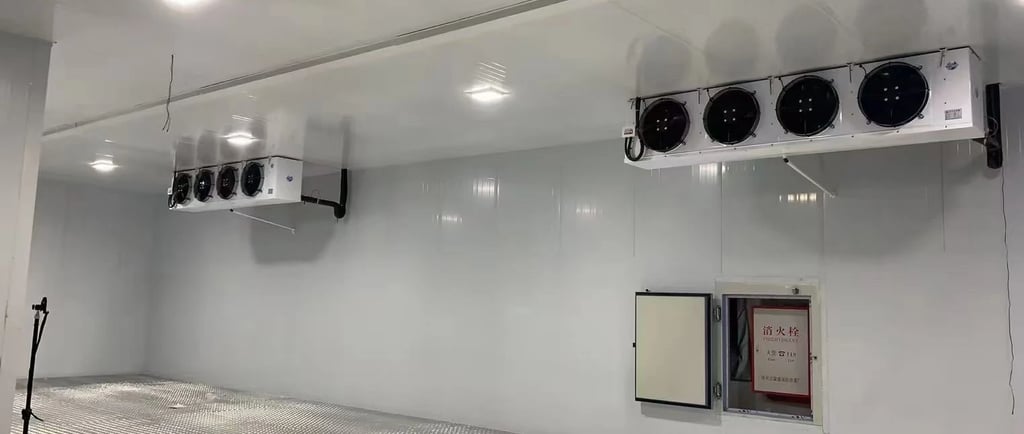
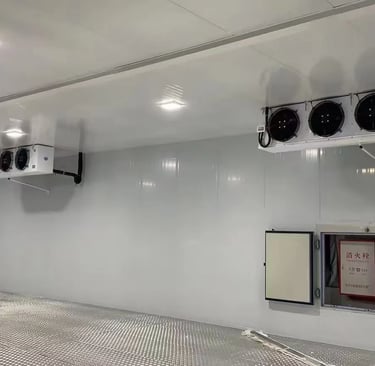
Introduction: What Is Cold Storage?
Cold storage refers to a temperature-controlled facility designed to preserve perishable products such as food, agricultural produce, pharmaceuticals, and chemicals. In modern supply chains, cold storage plays a critical role in reducing spoilage, extending shelf life, and maintaining product quality during storage and distribution.
A professional cold storage project is not just about cooling—it requires proper planning, engineering, and cost evaluation. Understanding cold storage room design and cold storage room price helps businesses make informed investment decisions.
What Is a Cold Storage Room?
A cold storage room is an insulated enclosure equipped with a refrigeration system that maintains a stable internal temperature. Depending on the application, cold storage rooms can operate at chilled, frozen, or deep-freeze temperatures.
Typical industries using cold storage include:
Food processing and cold chain logistics
Fruit and vegetable storage
Meat and seafood preservation
Dairy and ice cream storage
Pharmaceutical and medical storage
Each application places different requirements on temperature accuracy, hygiene standards, and energy efficiency.
Cold Storage Room Design: Core Engineering Principles
Effective cold storage room design is based on engineering calculations rather than visual layout alone. A well-designed system ensures temperature stability, minimizes energy loss, and supports long-term operation.
1. Temperature and Product Requirements
The first step in cold storage room design is defining what will be stored and at what temperature. Different products require different temperature ranges and humidity control levels.
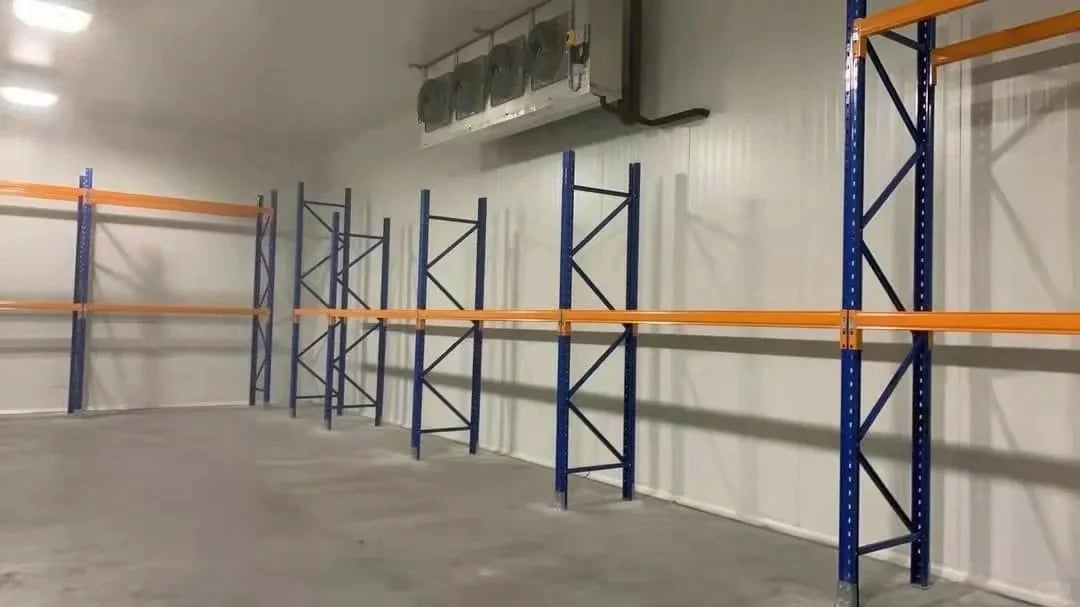
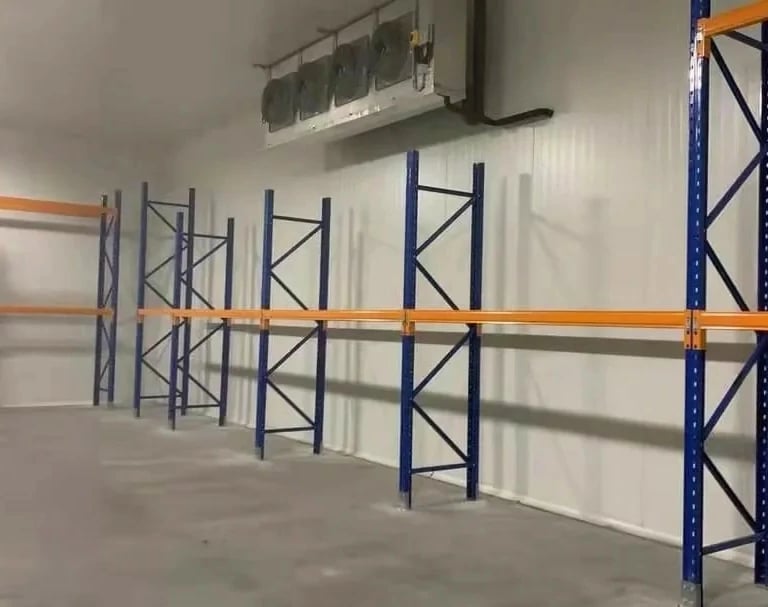
2. Insulation and Structural Design
Insulation is the backbone of cold storage performance. High-density PU or PIR insulated panels are commonly used to reduce heat transfer and prevent condensation.
Key design considerations include:
Panel thickness matched to temperature level
Vapor barriers to prevent moisture ingress
Floor insulation for heavy-load cold storage rooms
Poor insulation design often leads to excessive energy consumption and unstable temperatures.
3. Refrigeration System Configuration
A cold storage room relies on a refrigeration system sized according to:
Room volume
Heat load from stored products
Ambient temperature
Door opening frequency
Oversized systems increase cost, while undersized systems fail to maintain target temperatures—both are common design mistakes.
Cold Storage Room Price: What Determines the Cost?
The cold storage room price varies widely depending on technical and commercial factors. There is no single “standard price” because each cold storage project is customized.
Main Factors Affecting Cold Storage Room Price
Storage temperature range
Cold storage room size and volume
Insulation panel thickness
Refrigeration brand and configuration
Installation location and ambient climate
Below is a typical price-influencing structure used in the industry.
How Cold Storage Design and Price Are Connected
Cold storage room design and price are closely linked. A well-optimized design may cost slightly more upfront but significantly reduces long-term energy consumption and maintenance costs.
For example:
Proper insulation design lowers electricity usage
Accurate refrigeration sizing avoids premature equipment failure
Optimized layout improves loading efficiency and reduces cold loss
From an industry perspective, cold storage should be viewed as a long-term infrastructure investment, not just a construction expense.
Common Misunderstandings About Cold Storage Projects
“Cheaper cold storage is more cost-effective”
Low initial price often means compromises in insulation quality or system design, resulting in higher operating costs over time.
“All cold storage rooms are the same”
In reality, cold storage rooms vary greatly based on application, temperature range, and regulatory requirements.
Conclusion
Understanding cold storage, cold storage room design, and cold storage room price is essential for any business planning a cold chain facility. A professional approach to design and cost evaluation ensures reliable operation, product safety, and sustainable long-term performance.
HENGLIANG COOLING
We design, manufacture, and deliver integrated refrigeration solutions, including cold rooms, ripening room systems, and industrial chillers for global commercial and industrial applications.
SERVICES
Request a Customized Solution
© 2002-2026. All rights reserved.
Address
Xiamen, Fujian, China
Contacts
+86 18350573206
alan@xhllq.com