
The Importance of Cold Storage Facilities for Perishable Goods
Cold storage facilities, or cold rooms, are essential for preserving perishable goods and maintaining their quality over time. These facilities are designed to provide a controlled environment with specific temperature and humidity levels, ensuring that products such as food, pharmaceuticals, and flowers are stored optimally.
COLD ROOMS
10/30/20243 min read
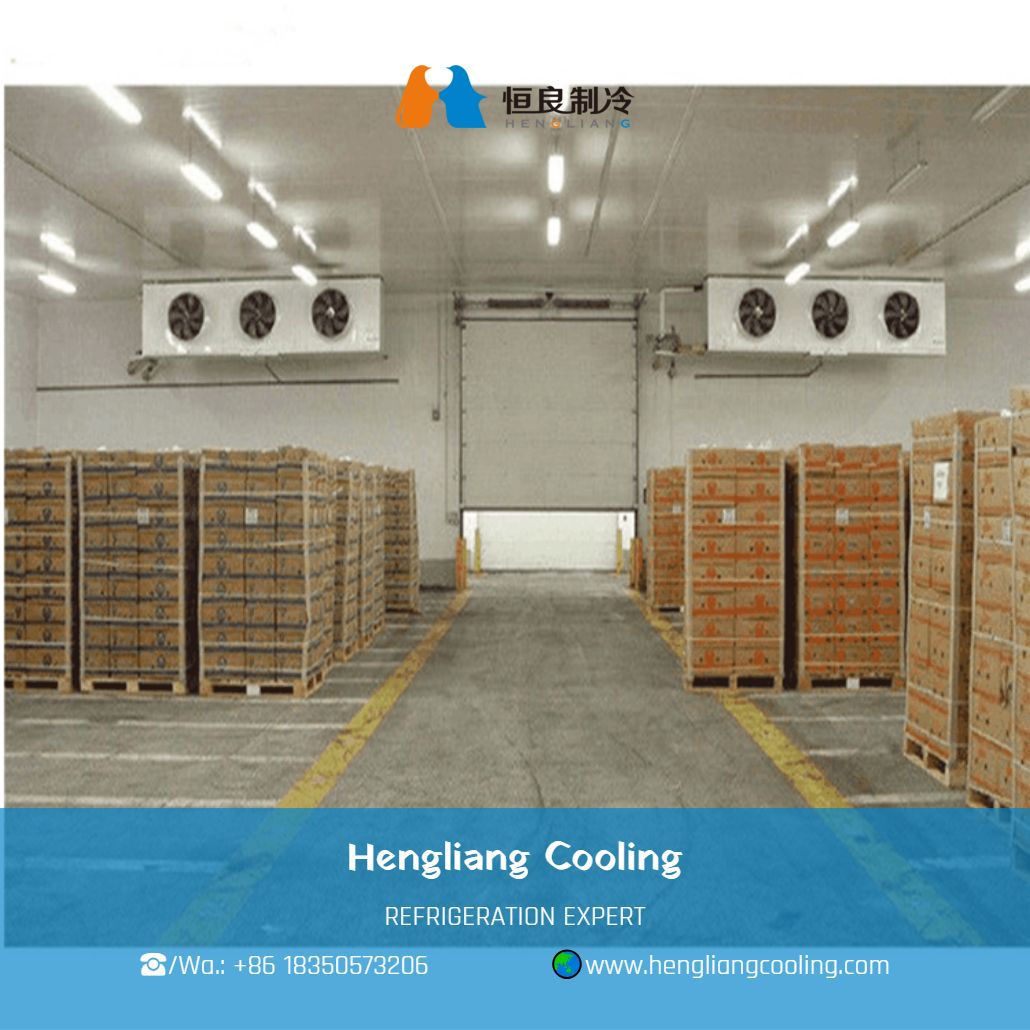
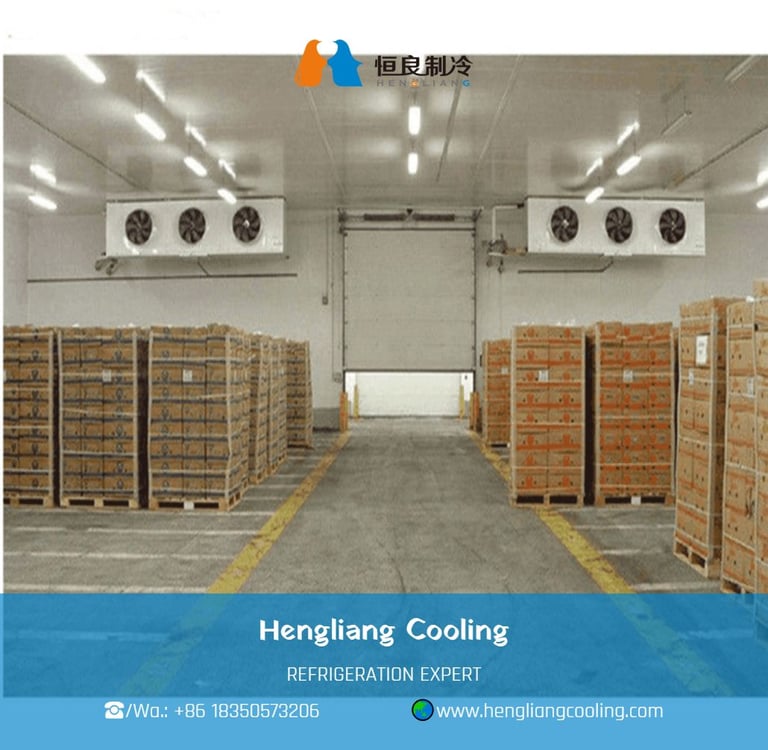
In today’s global food supply chain, maintaining the freshness and safety of perishable goods has become more critical than ever. Products such as meat, seafood, fruits, vegetables, and dairy items are highly sensitive to temperature fluctuations and environmental conditions. Without proper storage solutions, these goods can quickly deteriorate, leading to significant economic losses and potential health risks. This is where cold storage facilities—particularly cold rooms and blast freezers—play a vital role.
Understanding the Role of Cold Storage Facilities
Cold storage facilities are designed to maintain controlled low-temperature environments that slow down the growth of microorganisms and reduce the rate of chemical reactions in food. By doing so, they effectively preserve the quality, texture, and nutritional value of perishable products.
Functions of Cold Storage (Cold Rooms)
Cold rooms are primarily used for storing goods that require stable, low-temperature conditions over a period of time. These facilities are essential across multiple industries, including food processing, pharmaceuticals, agriculture, and logistics.
The main functions of cold rooms include:
Preservation of freshness: By maintaining optimal temperature and humidity levels, cold rooms help retain the original quality of products.
Extension of shelf life: Lower temperatures slow down spoilage, allowing products to be stored for longer durations.
Food safety assurance: Proper storage conditions inhibit bacterial growth, ensuring compliance with food safety standards.
Flexibility for different products: Cold rooms can be customized to suit the storage requirements of various goods, from fresh produce to frozen meat.
Key Features of Cold Storage
Modern cold storage facilities are equipped with advanced technologies that enhance their performance and reliability:
Precise temperature and humidity control systems: These systems ensure consistent environmental conditions tailored to specific products.
Energy-efficient refrigeration units: Designed to reduce operational costs while maintaining optimal performance.
Intelligent monitoring systems: Real-time data tracking allows operators to detect and address any fluctuations तुरंत.
Customizable design: Facilities can be tailored in size, insulation, and configuration to meet different storage needs.
Companies like hengliangcooling have been actively contributing to the development of efficient and reliable cold storage solutions, helping businesses optimize their cold chain operations.
The Role and Advantages of Blast Freezers
While cold rooms are ideal for storage, blast freezers (also known as quick-freezing storage) serve a different but equally important purpose.
Functions of Blast Freezers
Blast freezers are specifically designed to rapidly lower the temperature of products within a short period. This rapid freezing process is crucial for preserving the integrity of food.
Key functions include:
Rapid temperature reduction: Products are quickly brought down to freezing temperatures, often within hours.
Nutrient preservation: Fast freezing locks in vitamins and minerals, maintaining the nutritional value of food.
Texture and taste retention: By minimizing the formation of large ice crystals, the original structure of the food is preserved.
Reduced cellular damage: Slow freezing can damage cell walls, but blast freezing prevents this issue.
Key Features of Blast Freezers
Blast freezers are engineered with advanced technologies to ensure efficiency and performance:
High-speed airflow systems: These systems circulate extremely cold air around the products for uniform freezing.
Stable temperature control: Minimizes fluctuations during the freezing process.
Humidity management: Prevents dehydration and maintains product weight.
Energy-saving design: Optimized systems reduce energy consumption while maintaining rapid freezing capabilities.
For businesses seeking high-performance freezing solutions, platforms such as www.cryobuilt.cn provide access to advanced cold storage and freezing technologies tailored to modern industry demands.
Importance in the Cold Chain Industry
Cold storage and blast freezing facilities are essential components of the cold chain logistics system. Their importance can be highlighted in several key areas:
1. Reducing Food Waste
A significant portion of global food waste is attributed to improper storage and transportation. Cold storage facilities help minimize these losses by maintaining optimal conditions from production to consumption.
2. Supporting Global Trade
With the rise of international trade, perishable goods are transported across long distances. Cold storage ensures that products remain in good condition throughout the journey.
3. Enhancing Food Safety Standards
Strict regulations govern the storage and handling of food products. Advanced cold storage systems help businesses comply with these standards and avoid contamination risks.
4. Boosting Economic Efficiency
By reducing spoilage and improving inventory management, cold storage facilities contribute to better profitability for businesses.
Future Trends in Cold Storage Technology
As technology continues to evolve, the cold storage industry is also undergoing significant transformation:
Automation and smart systems: Integration of IoT and AI for real-time monitoring and predictive maintenance.
Sustainable solutions: Development of eco-friendly refrigerants and energy-efficient systems.
Modular cold storage units: Flexible and scalable solutions for businesses of all sizes.
Improved insulation materials: Enhancing thermal efficiency and reducing energy loss.
Companies like hengliangcooling are at the forefront of these innovations, continuously improving their solutions to meet the growing demands of the global market.
Conclusion
Cold storage facilities, including cold rooms and blast freezers, are indispensable in today’s food supply chain. They not only preserve the quality and safety of perishable goods but also support economic growth and sustainability.
By investing in advanced cold storage technologies and partnering with reliable providers such as hengliangcooling and platforms like www.cryobuilt.cn, businesses can significantly enhance their operational efficiency and ensure the highest standards of product quality.
As the demand for fresh and safe food continues to rise, the role of cold storage will only become more critical in shaping the future of global food logistics.
HENGLIANG COOLING
We design, manufacture, and deliver integrated refrigeration solutions, including cold rooms, ripening room systems, and industrial chillers for global commercial and industrial applications.
SERVICES
Request a Customized Solution
© 2002-2026. All rights reserved.
Address
Xiamen, Fujian, China
Contacts
+86 18350573206
alan@xhllq.com