
Cold Room in Africa: Climate-Adapted Cold Storage Solutions
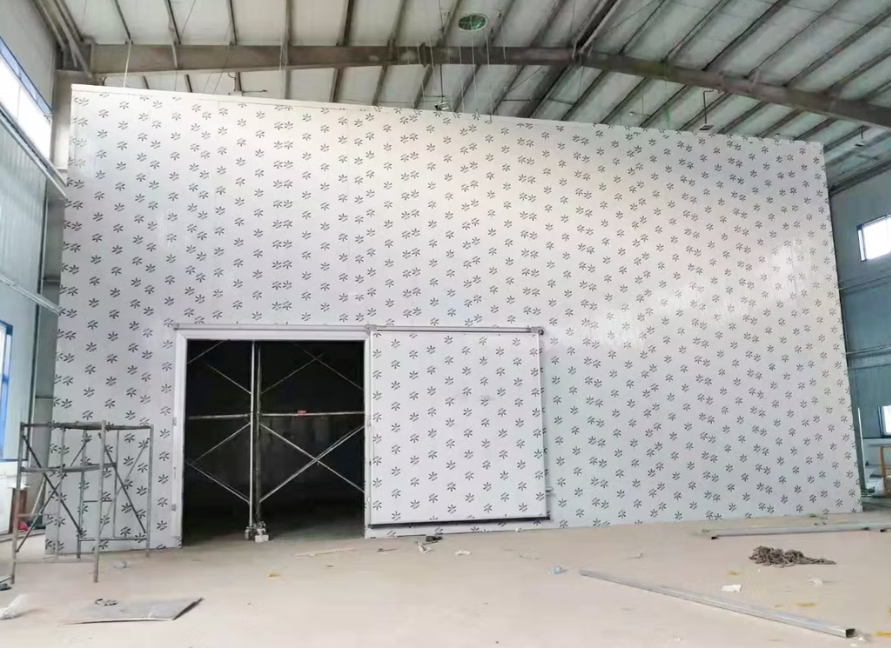
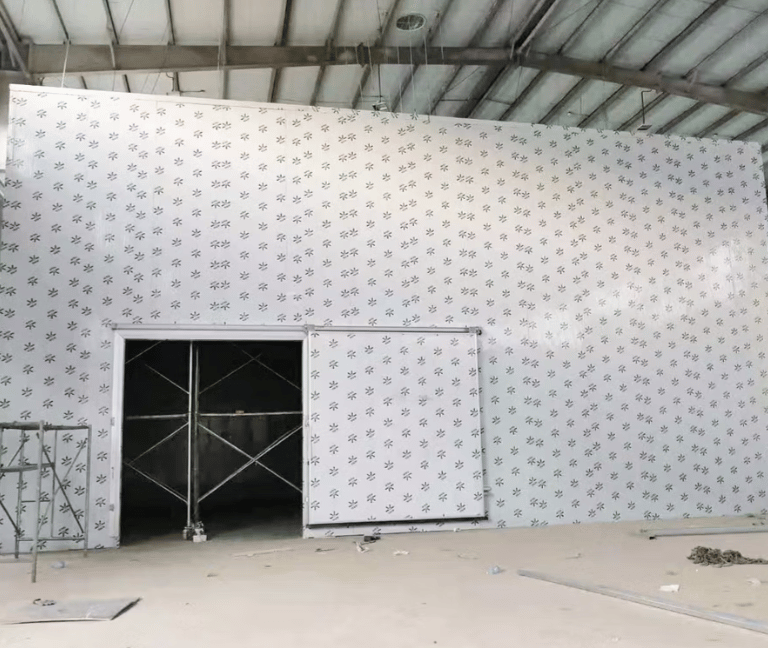
Cold room in Africa projects require climate-adapted design. This guide explains cold room dubai experience and cold room in tanzania requirements for stable operation.
COLD ROOMS
1/12/20262 min read
What This Page Covers
This page explains how cold room engineering logic developed in cold room dubai projects can be adapted to African markets, with a specific focus on cold room in tanzania.
The goal is to help B2B buyers and project managers understand climate-driven design differences, not just equipment selection.
Why Cold Room Design in Africa Is Not “One-Size-Fits-All”
Africa spans multiple climate zones, infrastructure levels, and power conditions. A cold room solution suitable for Europe or East Asia often fails to perform efficiently in African environments.
Projects in Dubai provide valuable reference experience due to similarities in:
High ambient temperature
Strong solar radiation
Dust and sand exposure
Energy efficiency pressure
However, African cold room projects introduce additional constraints such as grid instability, logistics challenges, and maintenance availability.
Working Principle Under High-Ambient Conditions
In hot regions, the basic refrigeration principle remains unchanged, but system sizing and protection strategies differ.
A cold room operating in Africa must maintain stable internal temperature despite:
Ambient temperatures exceeding 40°C
Large day–night temperature swings
Limited service access in remote areas
This directly affects condenser sizing, airflow design, and control logic.
Core Features Required for African Cold Room Projects
Cold rooms designed for African deployment typically emphasize robustness over minimal upfront cost.
High-capacity condensing units designed for extreme ambient temperatures
Enhanced insulation thickness to reduce heat ingress
Dust-resistant condenser protection
Wide-voltage tolerance to cope with power fluctuation
Simple, service-friendly control systems
hengliangcooling incorporates these features through climate-adapted system selection rather than standard catalog configurations.
Typical System Configuration
A standard African cold room project usually includes:
Modular insulated panels with tropical-grade sealing
Split-type refrigeration units for flexible installation
External condenser sunshade or shelter
Digital temperature controller with alarm
Optional backup generator or solar interface
Configuration varies significantly between urban hubs and rural supply-chain facilities.
Key Engineering Differences: Dubai vs Africa vs Tanzania
Before selecting equipment, it is critical to understand how regional conditions change cold room design priorities.
The following comparison clarifies why African projects cannot simply copy Middle East configurations.
Regional Cold Room Design Logic Comparison
Dubai focuses on efficiency under stable infrastructure, while African regions emphasize operational resilience. Tanzania adds humidity and agricultural seasonality as key variables.
The following table compares the core engineering logic across regions.
Regional Comparison (Readable Summary)
Dubai
High ambient temperature, stable grid, high energy cost sensitivity
Africa (General)
High temperature, unstable power, logistics and maintenance constraints
Tanzania
High temperature + high humidity, agriculture-driven storage demand, rural deployment
Main Application Scenarios in Africa
Cold room systems in Africa are commonly used for:
Fresh fruit and vegetable aggregation centers
Meat and poultry cold storage
Fish landing and processing facilities
Pharmaceutical and medical storage
Export-oriented agricultural packing houses
In Tanzania, cold rooms are especially critical for post-harvest loss reduction in horticulture supply chains.
FAQ: Cold Room Projects in Africa
Is Dubai experience relevant to African cold rooms
Yes, Dubai projects provide valuable reference for high-temperature operation, but African projects require additional focus on power stability and maintenance simplicity.
What temperature ranges are most common
Most African cold rooms operate between 0°C and +10°C, with freezer rooms at –18°C depending on application.
Is customization necessary
Yes. Climate, power supply, and logistics conditions make standardized solutions risky.
Professional Hengliang Cooling
Planning a cold room project in Africa requires more than selecting refrigeration equipment. It demands climate-adapted engineering and execution experience. hengliangcooling supports cold room projects across diverse environments by combining customized design, integrated systems, and proven international project delivery.
Contact hengliangcooling to discuss technical requirements for your African or Tanzanian cold storage project.
HENGLIANG COOLING
We design, manufacture, and deliver integrated refrigeration solutions, including cold rooms, ripening room systems, and industrial chillers for global commercial and industrial applications.
SERVICES
Request a Customized Solution
© 2002-2026. All rights reserved.
Address
Xiamen, Fujian, China
Contacts
+86 18350573206
alan@xhllq.com